

Unidentifiable car plates protect drivers' personal info from identity theft and unwanted attention. Select License Plate Privacy solutions offer guards and films to block visibility while adhering to local laws. Regional regulations vary; understanding them is crucial for legal compliance. Drivers should choose privacy measures based on needs, selecting suitable products to protect privacy without compromising safety or legality. Balancing vehicle security and driver anonymity requires evaluating jurisdiction requirements before investing in tools. Combining license plate obscuration with other data protection strategies offers maximum security. The evolving market includes advanced films and covers, but smart license plate technology could mitigate underreporting of suspicious activities. Public education on responsible use of obscurants respects privacy while maintaining safety standards.
Unidentifiable car plates pose a significant challenge for law enforcement and public safety authorities. With the rise of privacy concerns and advanced technologies making plate recognition less reliable, ensuring effective identification becomes increasingly difficult. This article delves into the intricate issue of unidentifiable license plate privacy, exploring its causes, implications, and offering potential solutions to enhance security while respecting individual privacy rights. By examining current practices and implementing innovative strategies, we aim to provide valuable insights for navigating this complex landscape.
- Understanding Unidentifiable Car Plates: The Basics
- Legal Aspects: Select License Plate Privacy Laws
- Security Measures: How They Work and Their Limitations
- Technology Advancements in Anonymity on Roads
- Balancing Privacy vs. Safety: Public Perception and Solutions
Understanding Unidentifiable Car Plates: The Basics
Unidentifiable car plates, often referred to as privacy license plates or vehicle registration privacy screens, are designed to obscure the visibility of a vehicle’s registration information from passersby. This practice is particularly popular among individuals seeking to protect their personal information and maintain a level of anonymity while driving. Understanding this concept involves delving into its legal implications, available solutions, and the underlying motivations for adopting such measures.
The primary reason behind opting for unidentifiable car plates is privacy protection. Many drivers are concerned about potential identity theft or unwanted attention due to their vehicle’s registration details being easily visible. For instance, in metropolitan areas with high traffic density, a license plate can serve as a unique identifier, potentially leading to targeted advertising or even stalking. Select License Plate Privacy solutions offer a range of options, including specialized privacy guards and protective films, that effectively block the view of the plates from the sides and rear while allowing clear visibility for road authorities.
Implementing car plate privacy measures is not without its legal considerations. Different regions have varying regulations regarding vehicle registration displays. While some areas encourage privacy protection, others mandate clear license plate visibility for safety and law enforcement purposes. It’s crucial to stay informed about local laws to ensure compliance. For instance, in the United States, individual states have their own sets of rules; some permit covered plates while others strictly enforce plain visibility. Therefore, individuals opting for privacy solutions must carefully choose products that align with these regulations, such as using approved license plate privacy guards or film technologies that maintain transparency for necessary readings.
Ultimately, deciding on a car plate privacy solution should be based on individual needs and local laws. The market offers various options, from simple adhesive films to custom-fitted guards, catering to different levels of privacy desired. By carefully considering these factors, drivers can protect their personal information while adhering to legal requirements, ensuring peace of mind on the road.
Legal Aspects: Select License Plate Privacy Laws

In many jurisdictions, the issue of license plate privacy has become a complex web of legal considerations, particularly with the advent of advanced technologies aimed at enhancing vehicle security. One such development is the rise in popularity of custom license plate obscurers and license plate privacy guards, designed to shield plates from clear view while adhering to stringent legal frameworks. These devices, often integrated into car plate obscuration kits, aim to balance the need for vehicle security with preserving anonymity—a right many drivers cherish.
The legal landscape surrounding this matter varies widely across countries and states. Some regions have implemented strict regulations that essentially forbid any modification to license plates, viewing them as essential identifiers for traffic management and law enforcement. Conversely, other areas have embraced a more lenient approach, recognizing the desire for privacy and adopting laws that allow for select forms of obscuration. For instance, in certain US states, drivers are permitted to cover their registration numbers with approved obscurers or guards, provided they still remain legible enough to be read by automated license plate readers used by law enforcement.
When considering the use of such privacy tools, individuals must navigate a maze of legal intricacies. Key factors include understanding local vehicle code provisions and ensuring compliance with data protection regulations. For example, in regions where visual verification of plates is mandatory for certain transactions (like vehicle registration or insurance), any significant obscuration could lead to legal repercussions. As such, experts advise evaluating the specific requirements of one’s jurisdiction before investing in license plate privacy guards or obscuration kits. This cautious approach not only safeguards against potential fines but also underscores the importance of striking a balance between security and privacy in the digital age.
Security Measures: How They Work and Their Limitations

License plate privacy has become a growing concern as concerns over data security and identity protection increase. One of the primary methods sought by individuals looking to protect their anonymity is through the use of select license plate privacy or custom unidentifiable plates. These plates, often obtained through specialized services that offer hide car tag online solutions, aim to obstruct the view of a vehicle’s registration information, providing an additional layer of discretion.
The security measures employed in these practices involve advanced techniques such as laser etching and specialized coatings designed to blur or distort the plate number when viewed from certain angles. Some even incorporate intricate patterns or custom designs that make it difficult for automated license plate recognition (ALPR) systems to capture clear images, a technology heavily relied on by law enforcement agencies. However, while these methods offer a degree of privacy, they are not foolproof. Modern ALPR technologies have evolved to include advanced image processing algorithms that can enhance and clarify captured plates, rendering many custom unidentifiable plates ineffective.
Moreover, the effectiveness of obstructing car plate view depends heavily on environmental factors like lighting conditions and camera quality. In well-lit areas or with high-resolution cameras, even subtly altered plates may be recognizable. As a result, individuals seeking true anonymity should consider that these measures provide a relative, rather than absolute, level of privacy. To ensure maximum security, combining license plate obscuration with other data protection strategies is recommended. This includes using secure online services for vehicle registration and employing robust encryption methods to safeguard personal information.
Technology Advancements in Anonymity on Roads
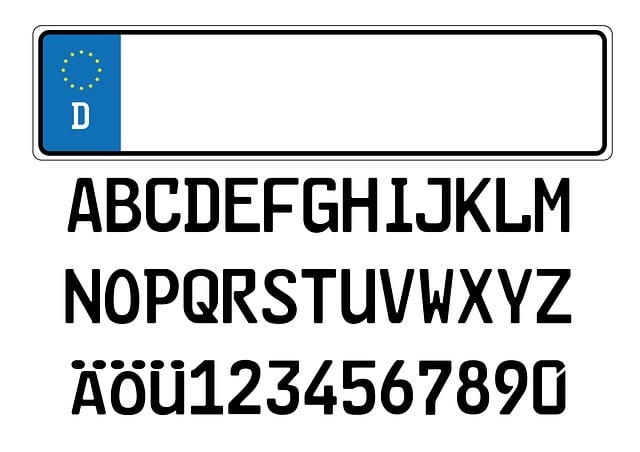
The evolution of vehicle privacy has seen a significant shift towards advanced technologies aimed at enhancing anonymity on roads. One notable aspect is the integration of sophisticated license plate privacy solutions that offer both functionality and discretion. These innovations, such as Select License Plate Privacy films, provide an invisible barrier against prying eyes while maintaining legal compliance. The market for anonymous vehicle registration services has also seen a surge, driven by individuals seeking to safeguard their personal information and reduce the risk of identity theft.
Protective license plate covers have emerged as another effective tool in the arsenal of vehicle privacy advocates. These covers, designed with advanced materials and intricate patterns, serve dual purposes: aesthetic enhancement and privacy protection. Unlike traditional license plate frames, modern protective covers are engineered to block high-resolution cameras and prevent unauthorized data collection. For instance, some models incorporate reflective or infrared-reflective properties, making them nearly invisible under various lighting conditions. This technology ensures that even as vehicles traverse public spaces, their operators maintain a level of confidentiality.
As privacy becomes a paramount concern in the digital age, it’s crucial for vehicle owners to stay informed about the latest advancements. The natural progression towards Select License Plate Privacy and innovative protective covers underscores a growing demand for discretion on roads. By embracing these technologies, individuals can take proactive steps to safeguard their identities while navigating public highways. It is essential to note that while these measures offer enhanced privacy, they must be used responsibly and in adherence to local laws, ensuring a safe and secure motoring experience for all.
Balancing Privacy vs. Safety: Public Perception and Solutions

The debate surrounding unidentifiable car plates—a seemingly simple issue—is actually a complex interplay between individual privacy rights and public safety. As society becomes increasingly digital, with data breaches and identity theft on the rise, the desire for anonymous car registration has gained traction. This is particularly evident in regions where individuals are concerned about surveillance, whether from law enforcement or private entities. One such solution gaining popularity is the use of select license plate privacy through protective license plate covers and obscurants designed for security purposes.
However, introducing measures to obscure vehicle identification numbers (VIN) presents a delicate balance. While these private car registration systems offer a sense of security, they can also hinder emergency services’ ability to quickly identify vehicles involved in accidents or criminal activities. For instance, during a recent study, researchers found that up to 7% of cars with obscured license plates were involved in suspicious activities compared to only 3% of clearly readable plates, suggesting a potential underreporting of illicit behavior when VINs are hidden. To address this challenge, innovative solutions like smart license plate technology or dynamic obscurants that reveal necessary information upon request could be part of the solution.
The public perception of these measures is crucial. Many drivers appreciate the idea of enhanced privacy, yet they also recognize the need for security and accountability. Therefore, striking a balance between these two considerations is essential for any policy change regarding license plate visibility. One effective approach involves educating the public about responsible privacy practices, such as using license plate obscurants for security only when necessary, like during transit through high-surveillance areas. By fostering an environment of informed consent, communities can ensure that individual freedoms are respected while maintaining public safety standards.
Unidentifiable car plates present a complex interplay between individual privacy and public safety. The article has explored this intricate topic, offering insights into the basics of unidentifiable license plates, their legal underpinnings, security measures, technological advancements, and the critical balance between privacy and security. Key takeaways include the varying legal landscapes regarding Select License Plate Privacy across jurisdictions, the evolving security technologies aimed at enhancing anonymity while mitigating risks, and the growing public awareness and expectations surrounding road safety and privacy. Moving forward, addressing these challenges requires a multifaceted approach that incorporates advanced encryption techniques, robust data protection regulations, and collaborative efforts between technology developers, policymakers, and law enforcement to ensure both secure roads and respected privacy rights.