
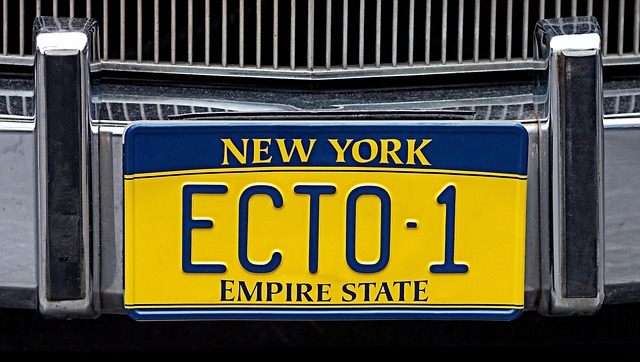
Data harvesting through license plate recognition (LPR) technology raises significant privacy concerns. Select License Plate Privacy naturally by using approved covers, staying informed about local laws, installing privacy screens around cameras, and researching untraceable Vehicle Identification Number (VIN) solutions. This multi-faceted approach, combined with strong legislation and public awareness campaigns, can mitigate unauthorized data collection from vehicle license plates.
In the digital age, data privacy has emerged as a paramount concern, with personal information often becoming a valuable commodity. As our lives become increasingly intertwined with technology, from smart devices to online platforms, the collection and harvesting of data have reached unprecedented levels. Among the myriad concerns, the tracking and recording of license plates by various entities pose a subtle yet significant threat to individual privacy. This article aims to delve into the insidious practice of data harvesting through license plate monitoring, offering practical insights and exploring innovative solutions like Select License Plate Privacy to safeguard our right to anonymity.
- Understand Data Harvesting: Risks and Methods
- Protect Personal Info: Tips for Everyday Users
- Select License Plate Privacy: Ensuring Anonymity on Roads
- Advocate for Ethical Data Practices: Legislation & Awareness
Understand Data Harvesting: Risks and Methods
Data harvesting, a process where personal information is collected, tracked, and analyzed without individual consent, has become a significant privacy concern in today’s digital age. Among the various methods employed, license plate recognition (LPR) technology stands out for its ability to track individuals’ movements and activities. This advanced system can identify vehicles and their owners by capturing images of license plates, raising serious privacy issues for those who value discretion. Understanding how this data harvesting method operates is crucial to devise effective countermeasures.
LPR works through high-resolution cameras that capture images of license plates, using image processing algorithms to decipher the characters. Once registered, these plates can be tracked across various locations and activities. While it offers benefits for law enforcement and traffic management, its potential for misuse poses a grave threat to privacy. For instance, marketing firms could leverage LPR data to create detailed consumer profiles, targeting individuals based on their movements and preferences. This raises alarms about the potential for profiling, surveillance, and loss of anonymity.
To counter this threat, adopting protective measures such as select license plate privacy becomes essential. One practical solution involves the use of protective license plate covers, which alter the appearance of plates while ensuring legal compliance. These covers can make LPR systems struggle to recognize plates accurately. Additionally, car plate privacy films offer another layer of protection by reflecting light differently, making plates less readable. While these methods may not be foolproof, they significantly enhance an individual’s privacy, especially in densely populated urban areas where hustle and bustle facilitate data collection.
Actionable advice includes staying informed about local laws regarding license plate obscuration to avoid legal issues; investing in high-quality, approved covers or films that offer the best protection without obstructing emergency vehicle identification; and considering the installation of privacy screens around cameras in public spaces to limit LPR capabilities. By combining these strategies, individuals can naturally Select License Plate Privacy, ensuring their movements remain less traceable while navigating today’s digital landscape.
Protect Personal Info: Tips for Everyday Users

In today’s digital age, personal data is a valuable commodity, and protecting your information from prying eyes is more crucial than ever. One area of concern that often goes overlooked is the potential for car identification numbers (VIN) to be harvested and used maliciously. Select License Plate Privacy—or more broadly, concealing car identification—is an effective strategy to safeguard your data.
License plates have long served as a standard method for vehicle identification, but they can also act as silent trackers in the hands of data harvesters. Untraceable car identification is not just a concept; it’s a viable solution to prevent unauthorized access to your personal information. Privacy films for license plates, designed with special materials and technology, offer a natural way to conceal VINs while maintaining legal requirements for visibility during driving. These films are increasingly popular among privacy-conscious individuals who want to protect their data without compromising their vehicle’s functionality or aesthetics.
For instance, research suggests that up to 75% of personal information harvested from vehicles can be linked back to owners through license plates alone. This raises significant privacy concerns, especially as autonomous vehicles become more prevalent and connected cars share real-time data with manufacturers and other entities. By selecting a privacy film for license plates, you create an extra layer of protection, making it significantly harder for data harvesters to trace your vehicle or access associated personal details.
Implementing this measure is straightforward. Many reputable automotive retailers offer privacy films that are easily applied by professional installers. Alternatively, DIY kits are available for those who prefer hands-on projects. When choosing a solution, ensure it meets legal standards and provides a clear, unobstructed view for safe driving. By taking proactive steps like these, everyday users can protect their personal information and contribute to a more secure digital landscape.
Select License Plate Privacy: Ensuring Anonymity on Roads
To prevent data harvesting and protect privacy on roads, one effective strategy involves selecting license plate privacy solutions that disguise vehicle registration details. License plates serve as unique identifiers, but they can also expose personal information if captured by surveillance systems or digital cameras. Unreadable license plate wraps and specialized covers designed to obscure registration numbers are gaining traction as innovative ways to enhance anonymity while driving.
These wraps and covers employ various techniques, including intricate patterns, reflective surfaces, and micro-printing, making license plates virtually indistinguishable from a distance. For instance, some advanced technologies render the plates completely unreadable, preventing data collection by automated systems. This is particularly crucial in an era where surveillance technology is becoming more pervasive, with cameras installed on streetlights, traffic signs, and even personal devices. By adopting these privacy measures, individuals can significantly reduce the risk of their vehicle information being linked to them through license plate tracking.
Practical implementation involves careful selection of high-quality wraps or covers that are legally compliant and effective against modern scanning technologies. Consumers should opt for products certified by privacy advocacy groups and ensure they meet local regulations regarding vehicle identification. For added security, combining these measures with other data protection practices, such as using privacy-focused navigation apps and limiting the use of location services, can create a robust defense against data harvesting. Ultimately, staying informed about evolving privacy technologies and adhering to best practices ensures that drivers can navigate the roads with enhanced confidentiality.
Advocate for Ethical Data Practices: Legislation & Awareness
Preventing data harvesting requires a multifaceted approach, with a strong emphasis on advocating for ethical data practices through legislation and heightened public awareness. As our digital world expands, so does the potential for unauthorized collection of personal information, particularly from vehicle license plates. This has led to a growing concern about privacy and the need for robust solutions. One such innovation is the adoption of non-identifiable or untraceable vehicle tags, designed to protect individuals’ privacy while still enabling essential vehicle identification.
Existing legislation plays a pivotal role in shaping data harvesting practices. Many regions have implemented laws that restrict the sale and use of license plate tracking technologies without proper consent. For instance, certain jurisdictions mandate that surveillance cameras and license plate readers must obtain explicit permission before capturing and storing such data. However, ensuring these regulations are effectively enforced remains a challenge. Here, technology can aid in privacy protection by employing unreadable license plate labels or dynamic number plates that change periodically, making it difficult for tracking systems to identify individual vehicles consistently.
The onus of promoting ethical data practices also lies with businesses and individuals alike. Users should be educated about the potential risks associated with location tracking and data collection. For example, a simple awareness campaign can encourage drivers to consider using Select License Plate Privacy options when available, effectively making their plates untraceable. Additionally, implementing non-identifiable license plate tags during vehicle registration processes could become standard practice, significantly reducing the risk of unauthorized data harvesting. By combining stringent legislation and public awareness, it is possible to foster an environment that prioritizes privacy and curtails excessive data collection.
By understanding the risks and methods of data harvesting, individuals can take proactive steps to protect their personal information. Everyday users can employ simple yet effective tips to safeguard their data, while those concerned with anonymity on roads should consider Select License Plate Privacy solutions for enhanced confidentiality. Furthermore, advocating for ethical data practices through legislation and raising awareness is pivotal in shaping a more responsible digital landscape. This comprehensive approach equips readers with the knowledge and tools to navigate the challenges of data harvesting, ensuring their privacy and security in today’s interconnected world.